Posted in Uncategorized

How Gut Health Strengthens Immunity

The Gut Microbiome and Immunity

The human gut hosts a diverse community of microorganisms known as the gut microbiome. It plays a crucial role in overall health, especially concerning the immune system. This complex ecosystem comprises trillions of bacteria, viruses, fungi, and other microbes. These microorganisms aid in digestion and produce essential vitamins. They also prevent harmful pathogens from proliferating.

The gut microbiome significantly influences the immune system. It shapes the production and function of key immune cells. These include T cells and B cells. In turn, a well-functioning immune system helps maintain a balanced gut microbiome, creating a mutually beneficial relationship.

Disruptions in this gut-immune connection can lead to health issues, such as autoimmune disorders, allergies, and certain cancers. Conversely, a healthy gut microbiome is linked to a stronger immune system, enhancing the body’s ability to fight infections.

Recent research has revealed a significant discovery. Specific gut bacteria produce metabolites that affect immune cell activity. The gut-associated lymphoid tissue (GALT) plays a key role in immune responses. It’s essential to understand the relationship between the gut microbiome and the immune system. This understanding is crucial to develop strategies for improving health and preventing diseases. Ongoing advancements in this field promise to enhance our knowledge of the gut-immune system connection and its applications in healthcare.

Gut Barrier Function and Autoimmunity

The gut or intestinal barrier is essential for interacting with the gut microbiome and the immune system. It selectively allows nutrient absorption while preventing harmful substances, toxins, and pathogens from entering the body. The gut barrier is composed of epithelial cells, tight junctions, and a mucus layer. It actively regulates the passage of molecules. This regulation maintains a balance between immune tolerance and response.

When the gut barrier is compromised, a condition known as “leaky gut” occurs, increasing intestinal permeability. This can trigger inappropriate immune responses and lead to autoimmune disorders, where the immune system mistakenly attacks healthy tissues. Examples include rheumatoid arthritis, type 1 diabetes, multiple sclerosis, and inflammatory bowel diseases like Crohn’s disease.

Factors that impair the gut barrier include dietary imbalances, chronic stress, certain medications, and an imbalance in the gut microbiome. Restoring gut barrier integrity through dietary changes is a promising approach. Managing stress and modulating the microbiome can also prevent and manage autoimmune disorders. Understanding the link between gut health and autoimmunity can lead to effective treatment strategies. This highlights the importance of the gut-immune system connection in overall health.

Gut-Brain-Immune Axis

The gut-brain-immune axis is a complex communication network. It involves the gastrointestinal tract, central nervous system, and immune system. This network has significant implications for health and well-being. This system is based on the interactions among the gut microbiome. It includes the enteric nervous system, often called the “second brain”. This system also involves the immune system.

Gut bacteria play a crucial role in producing metabolites. These include neurotransmitters and immune-modulating molecules. They signal to the brain and the immune system. Communication occurs through pathways like the vagus nerve and the bloodstream. Likewise, the brain can influence the gut microbiome and the immune response, particularly through the hypothalamic-pituitary-adrenal (HPA) axis. Chronic stress can disrupt this axis, leading to various health issues.

The immune system actively participates in this network, responding to gut and brain signals and influencing cognitive processes and mood. Research has linked disruptions in this axis to conditions such as neurological disorders. It also connects to autoimmune diseases and mental health issues like depression and anxiety.

Understanding this complex interplay allows for more holistic and personalized approaches to health. Targeting the gut microbiome, brain, and immune system together may create new strategies for promoting overall well-being. It can also help maintain optimal health throughout life.

Posted in Understanding Immune Function Tests

Understanding Immune Function Tests

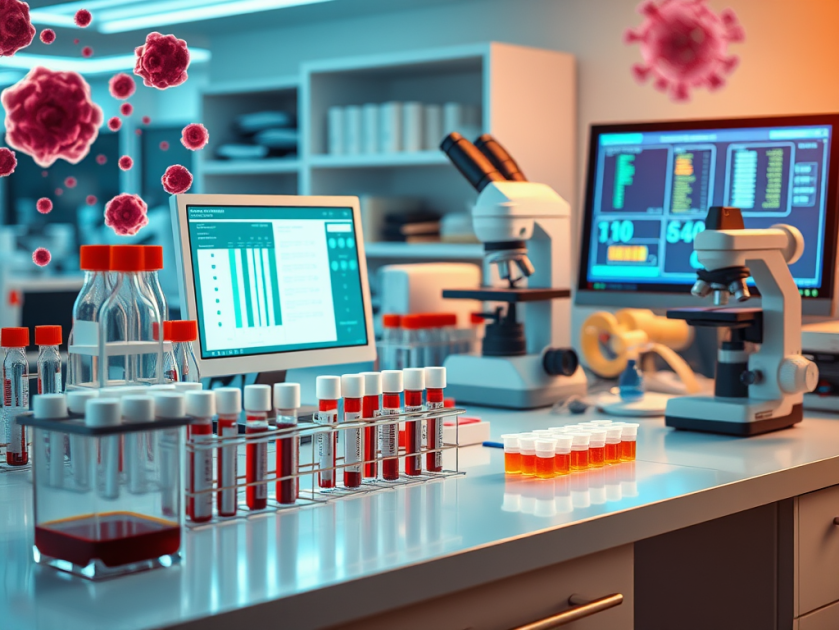
Laboratory Tests for Immune Function

The immune system is a complex network of cells, tissues, and organs. It protects the body from harmful pathogens like viruses and bacteria. Evaluating immune health is essential for diagnosing medical conditions and assessing treatment effectiveness.

Laboratory tests are key to assessing immune function. Common tests include:

1. **Complete Blood Count (CBC)**: Measures levels of blood cells, providing insights into immune health.

2. **Lymphocyte Subsets**: Assesses different types of lymphocytes (T cells, B cells, NK cells) important for adaptive immunity.

3. **Immunoglobulin Levels**: Evaluate antibody levels (e.g., IgG, IgA, IgM) to identify immunodeficiencies or autoimmune disorders.

4. **Cytokine and Chemokine Assays**: Measures signaling molecules that regulate immune processes.

5. **Functional Immune Assays**: Tests the immune system’s response to specific stimuli, such as antigens.

6. **Autoantibody Screening**: Detects antibodies targeting the body’s tissues, helping diagnose autoimmune disorders.

Interpreting these tests requires expertise, and factors like age, genetics, and underlying conditions can influence results. Therefore, healthcare providers must consider the overall clinical context when analyzing laboratory findings.

Interpreting Immune System Markers

Interpreting immune function test results is complex. Various markers provide insights into the health and function of the immune system. Accurately interpreting these results is crucial for healthcare professionals to diagnose and manage medical conditions.

Understanding normal ranges and reference values for each test is essential. These values can vary based on factors such as age, gender, and specific population data. Providers must consider these ranges when evaluating a patient’s results, as deviations may indicate underlying issues.

Additionally, when interpreting immune markers, it is important to consider the patient’s medical history, symptoms, and other laboratory findings. For instance, an elevated white blood cell count may suggest infection or inflammation. Yet, the specific type of white blood cell is crucial for determining the cause.

Furthermore, changes in lymphocyte subsets or immunoglobulin levels can indicate immune disorders, such as immunodeficiencies or autoimmune diseases. Providers should also consider the interactions among different immune markers, as the immune system is a complex network. Understanding these relationships aids in identifying the root causes of dysfunction and developing targeted treatments.

Overall, interpreting immune system markers requires a solid understanding of immune function and its clinical implications. Healthcare providers should stay informed about the latest research and collaborate with patients to ensure accurate diagnoses and effective treatments.

Comprehensive Immune System Evaluation

Assessing the health and function of the immune system is a critical part of healthcare. The immune system is essential for protecting the body against a variety of threats, including infectious diseases and chronic conditions. A thorough evaluation of the immune system can offer valuable insights into a patient’s overall health. This evaluation enables healthcare providers to create targeted treatment and management strategies.

A thorough immune system evaluation typically involves a multi-faceted approach, which may include the following components:

1. Medical History and Physical Examination: The healthcare provider will collect information about the patient’s medical history. This includes any past or present illnesses, infections, or autoimmune disorders. They will also perform a thorough physical examination. This examination will assess the patient’s overall health. It will identify signs of immune system dysfunction.

2. Laboratory Testing: Various laboratory tests can evaluate different components of the immune system. These components include blood cell counts, lymphocyte subsets, immunoglobulin levels, and cytokine/chemokine profiles. These tests can help identify any imbalances or abnormalities in the immune system.

3. Functional Immune Assessments: Healthcare providers go beyond measuring the levels of various immune markers. They may conduct tests that assess the overall functionality of the immune system. These can include lymphocyte proliferation assays. There are also natural killer cell cytotoxicity assays. Other specialized tests evaluate the immune system’s ability to respond to specific stimuli.

4. Genetic and Genomic Evaluation: Healthcare providers may order genetic or genomic testing. This helps identify any underlying genetic factors. These factors may contribute to immune system dysfunction. This can be particularly useful in cases of primary immunodeficiencies or certain autoimmune disorders.

5. Environmental and Lifestyle Factors: Environmental and lifestyle factors include exposure to toxins, dietary habits, stress levels, and physical activity. These factors can influence the immune system. Healthcare providers may assess these factors as part of a comprehensive immune system evaluation.

The results of a comprehensive immune system evaluation can give healthcare providers a detailed understanding of the patient’s immune health. This information guides the development of a personalized treatment plan. This may include recommendations for lifestyle modifications, targeted therapies, or referrals to specialized healthcare providers, such as immunologists or rheumatologists.

It’s important to note that a comprehensive immune system evaluation is not a one-size-fits-all approach. Each patient’s needs and circumstances are unique. Therefore, healthcare providers must work closely with their patients. This is to ensure that the evaluation and subsequent treatment plan are tailored to the individual’s specific needs and goals.

Posted in Understanding the Inflammatory Response: Acute vs. Chronic

Understanding the Inflammatory Response: Acute vs. Chronic

The Inflammatory Response

The body’s inflammatory response is a crucial defense mechanism. It protects against harmful stimuli like pathogens, damaged cells, or irritants. This complex biological process involves a series of coordinated events designed to isolate and eliminate the source of the problem. These events also promote healing.

The inflammatory response starts when the immune system detects a threat. This threat can result from various factors, including foreign substances, physical injuries, or autoimmune disorders. Once a threat is identified, the body increases blood flow to the affected area rapidly. This causes redness, swelling, and heat. This response releases several chemical mediators, including histamine, prostaglandins, and leukotrienes, which further amplify the inflammatory response.

Specialized immune cells, including neutrophils and macrophages, are recruited in the inflammatory response. They are brought to the site of injury or infection and are essential for removing the source of inflammation. They do this by attacking and destroying it directly. Alternatively, they initiate a cascade of events that leads to its removal. This process may involve the release of enzymes. Reactive oxygen species also help break down and remove the harmful agent.

As the inflammatory response progresses, the body begins to repair the damaged tissue. This repair process includes the formation of new blood vessels. It also involves the deposition of collagen and other structural proteins. Additionally, there is a proliferation of cells to replace those that were lost or damaged. In cases of acute inflammation, the process is usually rapid. It allows the body to restore the affected area to its normal state within days or weeks.

However, in some instances, the inflammatory response can become chronic. This can result in long-term damage. It may lead to the development of various health problems. Chronic inflammation has been linked to a wide range of diseases, including cardiovascular disease, cancer, and autoimmune disorders. Understanding the mechanisms and causes of chronic inflammation is an active area of research. Scientists are working to develop new therapies and interventions. They aim to address this significant public health challenge.

Acute vs. Chronic Inflammation

The inflammatory response can be divided into two main types: acute inflammation and chronic inflammation.

**Acute inflammation** is the body’s immediate and short-term reaction to harmful stimuli, such as injuries or infections. This response is characterized by its rapid intensity, as the body mobilizes its defenses to quickly address the issue. Common symptoms of acute inflammation include redness, swelling, heat, and pain. These symptoms arise from increased blood flow and the release of inflammatory mediators to the affected area. Acute inflammation plays a crucial role in the healing process. It isolates and eliminates the source of harm. It also initiates tissue repair. In many cases, it resolves on its own. The body can resolve the issue and restore normal function within days or weeks.

In contrast, **chronic inflammation** is a long-term and persistent response that can last for months or even years. This type of inflammation is often linked to underlying health conditions. These include autoimmune disorders, chronic infections, or ongoing exposure to irritants. Chronic inflammation can subtly affect the body. It can lead to gradual tissue deterioration. This process results in the development of various health problems. Symptoms of chronic inflammation may include fatigue and joint pain. Digestive issues might also occur. There is an increased risk of chronic diseases such as heart disease, cancer, and Alzheimer’s disease. Unlike acute inflammation, chronic inflammation is not self-limiting. It typically requires targeted interventions such as medications, lifestyle changes, or management of the underlying condition. These actions help bring it under control.

Understanding the differences between acute and chronic inflammation is essential for effectively diagnosing and treating various health conditions. Healthcare providers can recognize the signs and symptoms of each type of inflammation. This helps them develop appropriate strategies to address the root cause of the problem. It also improves patient outcomes.

Inflammation and Autoimmune Diseases

Autoimmune diseases are a group of disorders. The immune system mistakenly attacks the body’s own healthy tissues and cells. In these conditions, the body’s defense mechanisms become dysregulated. They are intended to protect against foreign invaders but begin targeting the body’s own components. This results in chronic inflammation and tissue damage.

A key feature of autoimmune diseases is the presence of autoantibodies—antibodies that target the body’s own proteins or structures. These autoantibodies can trigger a cascade of inflammatory responses. This leads to the destruction of healthy tissues. It also leads to the development of various symptoms. Some of the most well-known autoimmune diseases include rheumatoid arthritis, multiple sclerosis, type 1 diabetes, and systemic lupus erythematosus (SLE). In each of these conditions, the immune system attacks specific tissues or organs. This causes a chronic inflammatory state. This state can severely impact health.

For example, in rheumatoid arthritis, the immune system targets the joints, causing inflammation, pain, and potential joint damage. In multiple sclerosis, it attacks the myelin sheath surrounding and insulating the nerves. This attack disrupts neural signal transmission and leads to a range of neurological symptoms.

The exact causes of autoimmune diseases are not fully understood. They likely involve a complex interplay of genetic, environmental, and lifestyle factors. Researchers have identified various genetic markers. They have also found environmental triggers that may contribute to the development of these disorders. These triggers include viral infections, exposure to certain chemicals, and stress.

Treatment for autoimmune diseases typically aims to reduce inflammation and regulate the immune system. This often involves immunosuppressant drugs, anti-inflammatory medications, or targeted biological therapies. Additionally, lifestyle interventions can help manage symptoms. Dietary changes and stress management techniques can slow the progression of these conditions.

The understanding of the underlying mechanisms of autoimmune diseases continues to grow. Researchers are working on developing more effective and personalized treatments. These advancements aim to improve the quality of life for those with chronic inflammatory conditions.

Posted in Understanding the Innate vs. Adaptive Immune System

Understanding the Innate vs. Adaptive Immune System

The innate immune system is the body’s first defense against pathogens and other threats. It consists of various cells, proteins, and mechanisms. They work together to quickly detect and respond to infections and injuries. This process happens without needing prior exposure or specific recognition of the threat.

The innate immune system has a key component. It consists of physical and chemical barriers. These include the skin, mucous membranes, and stomach acid. They prevent the entry of harmful microorganisms. These barriers act as the body’s front line against infection, trapping and neutralizing potential threats before they can cause harm.

Another crucial aspect of the innate immune system involves specialized cells, like macrophages, natural killer cells, and dendritic cells. These cells recognize and respond to the presence of foreign or dangerous substances, triggering a rapid immune response. For example, macrophages can engulf and destroy invading pathogens, while natural killer cells target and remove infected or cancerous cells.

The innate immune system also relies on a complex network of proteins known as the complement system. This system helps to recognize threats. It neutralizes and eliminates them. This system can be activated through various pathways. This activation leads to the destruction of pathogens. It recruits extra immune cells. It also promotes inflammation to clear the infection.

Importantly, the innate immune system does not need prior exposure to a specific pathogen to mount a response. Instead, it recognizes common patterns or molecular signatures linked to various classes of microorganisms, known as pathogen-associated molecular patterns (PAMPs). This allows the innate immune system to respond quickly and effectively to potential threats.

While the innate immune system provides immediate protection, it does not confer long-term, specific immunity. The adaptive immune system comes into action here. It builds on the first response of the innate system. This provides a more targeted and long-lasting defense.

Adaptive Immune System Mechanisms

The adaptive immune system is a specialized and sophisticated part of the body’s overall immune response. It is responsible for developing specific and targeted immunity against particular pathogens or threats. It can generate “memory,” allowing for a stronger and faster response upon subsequent exposures.

The main components of the adaptive immune system are lymphocytes, which include T cells and B cells. These cells recognize and respond to specific antigens—unique molecular markers linked to different pathogens or foreign substances.

T cells play a crucial role in the adaptive immune response. They directly attack and remove infected or cancerous cells. T cells also regulate the overall immune response. There are several types of T cells. Each has a specific function. These include cytotoxic T cells, helper T cells, and regulatory T cells.

B cells, on the other hand, produce antibodies—proteins that can bind to and neutralize specific antigens. When a B cell encounters an antigen it recognizes, it becomes activated. It begins to proliferate. This results in the generation of many plasma cells that secrete antibodies. These antibodies circulate throughout the body, ready to neutralize the targeted pathogen during future exposures.

The adaptive immune system also can “remember” past encounters with pathogens. This ability allows for a rapid and effective response to subsequent infections. This memory is achieved through the generation of memory B and T cells. These cells persist in the body long after the first threat has been eliminated. Upon re-exposure to the same pathogen, these memory cells can quickly become activated. They mount a strong, targeted immune response. This response often prevents the infection from taking hold or reduces its severity.

The adaptability and specificity of the adaptive immune system are key to its effectiveness. They help in defending the body against a wide range of threats. The adaptive immune system builds on the first response of the innate immune system. It provides long-term, pathogen-specific protection. This system plays a vital role in maintaining overall health and well-being.

Interplay between Innate and Adaptive Immunity

The innate and adaptive immune systems work together in a coordinated manner. They complement each other to give comprehensive protection against bodily threats. The two systems have distinct mechanisms and functions. Nonetheless, they are closely intertwined and rely on each other to mount an effective immune response.

The innate immune system acts as the first responder, quickly detecting and responding to potential threats. It acts rapidly to contain and control the early spread of infections. This buys time for the adaptive immune system to engage fully. The innate system plays a key role in activating the adaptive immune response. It releases cytokines and presents antigens to lymphocytes.

In contrast, the adaptive immune system provides more targeted and long-lasting protection. It builds on the foundational work of the innate system. Its recognition and memory capabilities give a tailored and effective response to specific pathogens. This often leads to the elimination or containment of the threat.

The interplay between the innate and adaptive immune systems is particularly clear in the case of vaccination. Vaccines stimulate the adaptive immune system to generate memory cells and antibodies specific to a particular pathogen. But, the innate immune system mediates the first response to the vaccine. It recognizes the vaccine components and triggers an inflammatory response. This response helps start and shape the next adaptive immune response.

Furthermore, the innate and adaptive systems can work together to address different aspects of an immune challenge. For example, the innate system may handle the first detection of a pathogen. It may also be responsible for containment. The adaptive system focuses on long-term elimination. It works on the prevention of future infections.

Researchers and healthcare providers can develop more effective strategies by understanding the interplay between the innate and adaptive immune systems. These strategies help prevent, diagnose, and treat various infectious diseases. They also apply to other immune-related conditions. This knowledge can also inform the development of new vaccines. It can guide therapies and interventions that leverage the unique strengths of innate and adaptive immune systems.

Next up will be Inflammation and the Immune System

Posted in Deep Tissue Massage for Chronic Muscle Pain and Stored Trauma, My Journey

Deep Tissue Massage for Chronic Muscle Pain and Stored Trauma

Emotional stress can have a significant impact on our muscles, leading to tension and pain. When we experience stress, our bodies release hormones like cortisol, causing our muscles to contract. This fight-or-flight response can result in tightness or soreness, particularly in the neck, shoulders, and back. Chronic stress often leads to ongoing muscle pain and other health issues. It’s essential to tackle both stress and emotions. Doing so can prevent long-term physical effects. Techniques like physical therapy, massage, exercise, and mindfulness practices like yoga or meditation can help relieve muscle tightness.

Deep tissue massage, in particular, is effective for breaking down stubborn knots and releasing tension. This massage technique improves circulation and reduces inflammation. It also triggers the release of endorphins—the body’s natural painkillers. This leads to increased flexibility and relaxation. It’s normal to feel sore after a deep tissue massage. But, this usually results in a feeling of relief. There is also an improvement in muscle ability. Drinking plenty of water and gently stretching can help ease any post-massage soreness.

Scientific studies have shown that deep-tissue massage can enhance muscle performance. It can accelerate recovery by reducing inflammation. It also stimulates the release of mood-boosting hormones like oxytocin. For patients with autoimmune lupus, deep-tissue massage can help alleviate chronic muscle and joint pain, improve circulation, and reduce stiffness. Yet, it’s always advisable to consult a healthcare professional before starting any new treatment for lupus.

Understanding the difference between myofascial release and deep tissue massage can also be beneficial. Myofascial release relieves tension in the fascia—the connective tissue surrounding muscles—using gentle, sustained pressure. In contrast, deep tissue massage targets deeper layers of muscle. It applies firmer pressure to tackle chronic tension and muscle pain. Although both techniques can be helpful, they offer different experiences during a session. Myofascial release involves gentle stretching. Deep tissue massage utilizes more intense pressure to relieve deeper muscle tension. Both approaches contribute to overall muscle health and stress relief.

Combining essential amino acids with deep-tissue massage can enhance muscle recovery and repair. Essential amino acids are crucial for muscle growth because the body can’t produce them independently. Deep tissue massage alleviates soreness and tension by applying firm pressure and improving blood flow. This combination is particularly beneficial after workouts. It especially helps individuals facing chronic stress or conditions like lupus. It relieves tension and supports tissue repair. It also boosts immune ability. Incorporating chiropractic care can also help align the body, reduce pain, and improve mobility. Together, these approaches promote faster recovery and overall health. Essential amino acids help rebuild muscle tissue, while deep tissue massage alleviates tension and enhances blood circulation. When used together, they can significantly improve muscle recovery after exercise.

Incorporating chiropractic care into your wellness routine offers many benefits. Chiropractic adjustments help align your body structurally, which can reduce pain and enhance mobility. When joined with deep tissue massage, this approach effectively releases muscle tension, and essential amino acids support tissue repair. Together, these techniques create a holistic strategy for managing pain and improving overall well-being, making it a winning combination.

Chiropractic care also works to realign the spine and joints, alleviating pressure on nerves and improving nervous system operation. This enhancement facilitates better communication between your brain and body. When chiropractic adjustments are paired with deep tissue massage, muscle tension is further alleviated. Essential amino acids give the necessary building blocks for tissue repair. This integrated approach supports your body’s healing process.

Moreover, chiropractic adjustments improve joint motion and reduce inflammation, which enhances overall mobility. Deep tissue massage complements this by relieving chronic muscle tension. Essential amino acids help in protein synthesis. They aid in repairing minor soft tissue damage. Together, this trio promotes faster recovery, resulting in a stronger and healthier body.

When trauma is released from stiff muscles, the body lets go of the physical tension. It also releases the stress that has been stored. Massage helps break down adhesion’s and improve blood flow, which can reduce cortisol levels. This process can also trigger an emotional release. Memories and feelings tied to the trauma resurface. This allows for healing and release.

Releasing trauma from the muscles can lead to feelings of tiredness or fatigue, often referred to as “good tiredness.” This is the body’s way of responding to the release as it begins to heal and rebalance. Resting after such a release is essential to process and integrate these changes.

The time it takes to experience a significant release from long-held tension varies. With consistent weekly deep muscle massage, noticeable improvements can be felt within a few weeks to a few months. Factors like the severity of the trauma, individual healing rates, and overall health play essential roles in this process. Patience and self-care are crucial during this journey.

Deep muscle massage can lead to after-effects like soreness, fatigue, emotional release, and increased awareness. The time it takes to feel the full benefits varies. It depends on the individual and the intensity of the massage. It can range from a few days to a week. Drinking plenty of water and getting enough rest are essential to aid recovery.

Research is increasingly showing how trauma and tension are stored in the body. This is particularly clear in the muscles. Releasing them can lead to emotional relief. It can also give physical relief. Somatic and body-oriented therapies are areas that explore these connections.

Significant research exists on trauma release and muscle tension.

Trauma triggers -muscle tension -proven techniques to release

Hidden muscle trauma

Recently, there has been a growing conversation about trauma-informed care and its various applications across different modalities. Yet, many people remain unclear about what defines trauma. Essentially, trauma encompasses any event or series of events that are harmful or that an individual perceives as threatening.

This definition is broad, as trauma can manifest differently for everyone. A key indicator of trauma is the emotional response to the event. This response may occur instantly. It can also be delayed, surfacing long after the event has passed. Additionally, trauma often originates in childhood.

Common sources of trauma include:

– Natural disasters

– Prolonged illness

– Rape or sexual assault

– Neglect or physical abuse

– Community violence

– Domestic violence

– Military or wartime experiences

– Robbery or other crimes

– Religious extremism

It’s important to note that an event does not need to be dramatic or long-lasting to be considered traumatic. This is why many individuals fail to recognize their experiences as such. We instinctively understand that having your helicopter shot down in a war zone is traumatic. Still, we often overlook more subtle experiences, leaving many people to deal with the lingering effects of these traumatic events.

Key points about deep muscle massage and the release of stored trauma:

  • How it works:

When trauma occurs, the body can store tension in muscles, often resulting in chronic pain or tightness. Deep tissue massage techniques work by applying pressure to these deep muscle layers, which helps to release this stored tension.

When trauma occurs, the body can store tension in the muscles, which often manifest as chronic pain or tightness. Deep tissue massage techniques work by applying pressure to these deeper muscle layers, helping to release this stored tension.

  • Emotional Release: 

As physical tension is released through massage, it can sometimes lead to emotional release as well. This includes feelings of sadness, anger, or even relief as the body begins to process the stored trauma.

  • Importance of a Qualified Therapist: 

To handle trauma through massage safely, you should work with a trained therapist. This therapist should specialize in trauma-informed massage techniques.

  • Potential Benefits of Using Massage for Trauma Release:
  • -Reduced Physical Pain:

Releasing muscle tension can alleviate chronic pain linked to trauma.

  • – Improved Mental Well-Being:

Massage can help calm the nervous system and reduce symptoms of anxiety and stress related to trauma.

  • – Enhanced Emotional Processing:

By addressing the physical manifestations of trauma, massage can help emotional processing and healing.

Important Considerations:

  • – Gradual Approach:

A therapist will start with gentle techniques and gradually increase pressure as the client becomes more comfortable.

  • – Communication Is Key:

Open communication with your therapist is essential to make sure you feel safe and supported during the process.

  • – Integration with Therapy:

Massage therapy is often most effective when used alongside traditional psychological therapies for trauma.

Ancora wellness

Somatic therapy

cornerstone healing center

Boulder Sports Clinic

Posted in Uncategorized

Genetic and environmental factors in autoimmune dis-EASE

Genetics and Autoimmune Susceptibility

Autoimmune dis-eases are complex and influenced by both genetic and environmental factors. Immunogenetics has advanced our understanding of the genetic roots of these disorders. It has shown how specific genetic variations can lead to an overactive immune response.

Research has identified key genes associated with increased risk for autoimmune conditions, particularly human leukocyte antigen (HLA) genes, which are crucial for recognizing self-antigens. Additionally, genes involved in immune regulation and inflammation further contribute to susceptibility.

Epigenetic factors, such as DNA methylation and histone modifications, also play a significant role, as they can affect gene expression and be influenced by environmental stressors.

Understanding these genetic and epigenetic factors has improved both scientific knowledge and clinical practice. This progress allows for the development of tailored diagnostic tools. These strategies cater to individual patient needs.

Environmental Triggers for Autoimmune Responses

Genetic predisposition is a significant factor in susceptibility to autoimmune diseases, but environmental elements also play a crucial role. Infectious agents such as bacteria, viruses, and parasites can trigger immune responses. These responses mistakenly target the body’s own tissues. This phenomenon is known as molecular mimicry. This can lead to disorders such as rheumatoid arthritis, multiple sclerosis, and type 1 diabetes.

Exposure to chemicals, toxins, and pollutants is linked to the development of autoimmune diseases. These exposures can disrupt immune balance and result in harmful immune responses. For instance, silica dust consists of tiny particles of crystalline silica. These particles are found in materials like sand, stone, and concrete. Silica dust has been linked to systemic lupus erythematosus. Moreover, certain pesticides and heavy metals are connected to autoimmune thyroid disorders.

Lifestyle factors, including diet and exercise, are also important. Diets high in pro-inflammatory foods can worsen symptoms. A balanced diet and regular physical activity can help modulate the immune system.

Understanding the interplay between genetic and environmental factors is essential. It helps in developing effective prevention and management strategies. This ultimately improves the lives of those affected by autoimmune conditions.

Role of the Epigenome in Autoimmune Diseases

The field of epigenetics is crucial in understanding autoimmune diseases. It reveals how gene expression and immune function can be altered without changing DNA sequences. The epigenome, which includes various chemical modifications of DNA and histone proteins, regulates gene expression patterns.

Specific epigenetic changes, particularly in DNA methylation, have been linked to immune-related genes. These changes are associated with conditions like systemic lupus erythematosus, rheumatoid arthritis, and multiple sclerosis. Histone modifications also influence gene expression and immune cell function.

The dynamic nature of the epigenome means it can be affected by environmental factors. These include diet, stress, and exposure to toxins. Such influences can potentially increase the risk of autoimmune diseases.

Research into the epigenome has sparked new diagnostic and therapeutic strategies. Identifying unique epigenetic signatures may lead to better biomarkers and personalized treatments. Modulating the epigenome through lifestyle or pharmacological methods is a possibility. This generates interest in developing therapies for these complex diseases. This evolving field holds promise for improving the lives of those affected by autoimmune disorders.

www.cdc.gov

www.lung.org

www.osha.gov

Posted in Autoimmune the dis-EASE, The Role of the Immune System, Understanding Autoimmune dis-EASE

Understanding Autoimmune dis-EASE: The Role of the Immune System

The Importance of the Immune System

The immune system is a remarkable network of cells, organs, and processes that protect our bodies from harm. It is our front line defense against viruses, bacteria, parasites, and toxins, ensuring we don’t constantly battle illness.

Its significance goes beyond defense; it recognizes threats, mobilizes resources, and remembers past encounters to strengthen future responses. Understanding its workings helps us appreciate the balance that keeps us healthy.

The immune system is not just a static defense mechanism. It is a dynamic and highly adaptable system. It evolves to face new threats. It regulates inflammation and influences chronic conditions like cancer and autoimmune disorders. By exploring its components and functions, we gain insights into how our immune system interacts with other systems. This exploration leads to exciting advancements in medical research. Let’s celebrate and nurture our immune system for a healthier future!

Components of the Immune System.

The immune system comprises diverse specialized cells, tissues, and organs that work together to defend the body against harmful agents. White blood cells, also known as leukocytes, are at the heart of this intricate network. They are the primary actors in the immune response. Understanding their roles and functions is crucial in comprehending the immune system’s operations. 

There are several key types of white blood cells, each with its unique role and job. Lymphocytes, like T and B cells, recognize and respond to specific threats. Phagocytes, including macrophages and neutrophils, engulf and destroy foreign invaders. Other immune cells, like natural killer and dendritic cells, play crucial roles in the immune response. 

These immune cells are found throughout the body. They circulate in the bloodstream and lymphatic system. They live in specialized organs like the spleen, thymus, and lymph nodes. These organs serve as hubs for immune activity. They offer the necessary infrastructure for the coordination and execution of the body’s defense mechanisms. 

Besides the cellular components, the immune system relies on a complex network of chemical signals and regulatory pathways. Cytokines are signaling molecules. They help orchestrate the immune response. Antibodies are specialized proteins. They neutralize or mark specific threats for destruction. 

We can gain a deeper appreciation for the remarkable ways our bodies work to protect us. We achieve this by understanding the diverse and intricate components of the immune system. This knowledge empowers us to take control of our health. It can enhance our understanding of how the immune system interacts with other physiological systems. This leads to new medical research and treatment avenues. 

Immune System Functions

The immune system is an incredible network of functions vital in protecting our bodies and enhancing our overall health! Its primary mission is to identify and remove potential threats. These threats can disrupt our well-being, like harmful pathogens, abnormal cells, and other foreign invaders.

A fascinating aspect of the immune system is its ability to recognize these dangers. This recognition occurs through a process known as the immune response. When a potential threat is detected, the immune system enthusiastically mobilizes specialized cells and chemicals to combat the intruder. This dynamic response involves various strategies. It activates phagocytes that engulf and remove pathogens. It produces antibodies to mark threats for destruction. Additionally, it recruits more immune cells to strengthen the defense.

Beyond its crucial role in fighting infections and illnesses, the immune system contributes significantly to our general health and vitality. It helps regulate inflammation, a natural reaction to injury or infection. It plays a role in the onset and progression of chronic health conditions like cancer, autoimmune disorders, and cardiovascular diseases.

One of the immune system’s most remarkable abilities is its capacity for learning and memory. This ability helps the body to respond more effectively and target familiar threats. This phenomenon is known as immunological memory. This fascinating ability is the foundation of vaccinations, which harnesses the immune system’s learning to protect against specific diseases.

Exploring our immune system’s diverse and intricate functions can help us better appreciate our body’s efforts. Our bodies work diligently to keep us healthy and secure. This understanding can lead to exciting new medical research. It can also inspire confidence in our journey toward better health.

Up and coming to you soon:

Understanding Autoimmune dis-EASE:

The Role of the Immune System: Autoimmune disorders and immune system dysfunction