Posted in How Lifestyle Choices Affect Immune Function, Understanding Autoimmune dis-EASE

How Lifestyle Choices Affect Immune Function

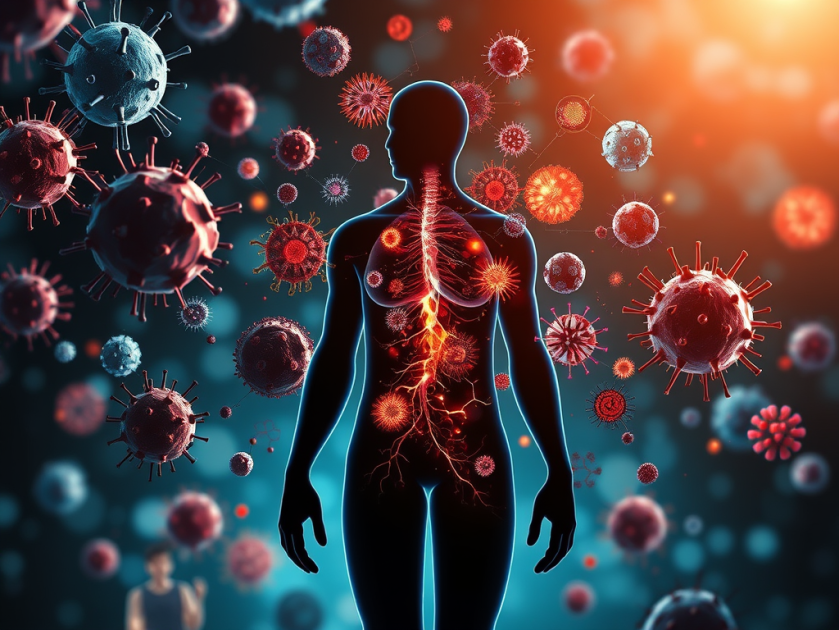
The human immune system is a complex network of cells, tissues, and organs. It protects the body from pathogens like viruses, bacteria, and parasites. Maintaining balance within this system is essential for overall health. An optimally functioning immune system can recognize and eliminate threats while preventing excessive inflammation and autoimmune responses.

Regulating the inflammatory response is crucial, as inflammation helps fight infections and heal injuries. However, chronic inflammation can lead to health issues such as autoimmune disorders and cardiovascular disease. Mechanisms like anti-inflammatory cytokines and regulatory T cells help keep this response in check.

Additionally, immune cells, including T cells, B cells, and natural killer cells, must work together harmoniously. Disruptions in their balance can result in autoimmune diseases or immunodeficiencies.

A healthy lifestyle, including a balanced diet, regular exercise, and stress management, significantly supports immune regulation. Nutrients like antioxidants, omega-3 fatty acids, and probiotics can enhance immune function. Physical activity boosts immune cell circulation. It also reduces inflammation.

In summary, maintaining a balanced immune system is vital for health. Understanding these mechanisms allows individuals to make proactive lifestyle choices to support their immune function.

Factors Influencing Immune Regulation

Various internal and external factors influence the immune system’s regulation and balance. These factors are vital for maintaining its health and function.

Genetics plays a key role. Variations can affect immune-related genes, predispose individuals to disorders, and alter responses to infections and therapies. Additionally, epigenetic modifications, like DNA methylation, influence immune role.

Age is another important factor. As individuals age, a process called immunosenescence occurs, characterized by decreased immune cell function and diversity. This leads to increased susceptibility to infections, lower vaccine efficacy, and a higher risk of chronic inflammation.

Environmental factors include exposure to pollutants and pathogens. These can trigger inflammatory responses and disrupt immune balance. This increases the risk of autoimmune diseases.

Lifestyle choices, like diet, exercise, and stress management, significantly impact immune regulation. A balanced diet provides essential nutrients, while regular physical activity enhances immune function. In contrast, chronic stress can disrupt immune responses and increase inflammation.

Understanding these interrelated factors is crucial for developing personalized strategies to support a healthy immune system. Tailored interventions can help individuals keep immune health and overall well-being.

Strategies for Immune System Optimization

Optimizing the immune system is a multifaceted task that requires a comprehensive approach involving various strategies and interventions. Here are some key strategies to help individuals maintain a well-regulated and balanced immune system:

1. **Dietary Modifications:**

   – Consume a nutrient-rich, balanced diet that includes a variety of fruits, vegetables, whole grains, lean proteins, and healthy fats.

   – Include immune-boosting foods in your diet. Examples are citrus fruits, leafy greens, nuts, and fatty fish. These foods are rich in vitamins, minerals, and antioxidants.

   – Maintain a healthy gut microbiome by eating probiotic-rich foods or taking probiotic supplements.

2. **Physical Activity and Exercise:**

   – Engage in regular physical activity, like aerobic exercise, strength training, and mind-body practices like yoga and Tai Chi.

   – Exercise enhances immune function by improving circulation, reducing inflammation, and promoting the activity of immune cells.

3. **Stress Management:**

   – Practice stress-reducing techniques, like meditation, deep breathing exercises, and mindfulness-based practices.

   – Engage in activities that promote relaxation and mental well-being. Spend leisure time in nature, practice hobbies, or connect with loved ones.

4. **Adequate Sleep and Rest:**

   – Prioritize getting sufficient, high-quality sleep. It plays a critical role in the regulation and function of the immune system.

   – Establish a consistent sleep routine and create an environment conducive to sleep.

5. **Vaccination and Immunization:**

   – Stay up-to-date with recommended vaccinations to enhance the immune system’s ability to respond to specific pathogens.

   – Consult with healthcare professionals to ensure appropriate vaccination schedules and consider any necessary booster shots.

6. **Supplementation (if necessary):**

   – In some cases, certain dietary supplements—like vitamins, minerals, or herbal extracts—may support immune function.

   – Always consult a healthcare professional before starting any supplement regimen to ensure safety and efficacy.

7. **Mental Well-being:**

   Focus on stress management techniques. These include mindfulness, meditation, and relaxation practices. It is important since chronic stress can negatively impact the immune system.

   – Keep a positive mental outlook and engage in activities that promote well-being.

By implementing a combination of these strategies, individuals can actively work towards optimizing their immune system. This promotes overall health. It also enhances resilience in the face of various health challenges.
Posted in Deep Tissue Massage for Chronic Muscle Pain and Stored Trauma, My Journey

Deep Tissue Massage for Chronic Muscle Pain and Stored Trauma

Emotional stress can have a significant impact on our muscles, leading to tension and pain. When we experience stress, our bodies release hormones like cortisol, causing our muscles to contract. This fight-or-flight response can result in tightness or soreness, particularly in the neck, shoulders, and back. Chronic stress often leads to ongoing muscle pain and other health issues. It’s essential to tackle both stress and emotions. Doing so can prevent long-term physical effects. Techniques like physical therapy, massage, exercise, and mindfulness practices like yoga or meditation can help relieve muscle tightness.

Deep tissue massage, in particular, is effective for breaking down stubborn knots and releasing tension. This massage technique improves circulation and reduces inflammation. It also triggers the release of endorphins—the body’s natural painkillers. This leads to increased flexibility and relaxation. It’s normal to feel sore after a deep tissue massage. But, this usually results in a feeling of relief. There is also an improvement in muscle ability. Drinking plenty of water and gently stretching can help ease any post-massage soreness.

Scientific studies have shown that deep-tissue massage can enhance muscle performance. It can accelerate recovery by reducing inflammation. It also stimulates the release of mood-boosting hormones like oxytocin. For patients with autoimmune lupus, deep-tissue massage can help alleviate chronic muscle and joint pain, improve circulation, and reduce stiffness. Yet, it’s always advisable to consult a healthcare professional before starting any new treatment for lupus.

Understanding the difference between myofascial release and deep tissue massage can also be beneficial. Myofascial release relieves tension in the fascia—the connective tissue surrounding muscles—using gentle, sustained pressure. In contrast, deep tissue massage targets deeper layers of muscle. It applies firmer pressure to tackle chronic tension and muscle pain. Although both techniques can be helpful, they offer different experiences during a session. Myofascial release involves gentle stretching. Deep tissue massage utilizes more intense pressure to relieve deeper muscle tension. Both approaches contribute to overall muscle health and stress relief.

Combining essential amino acids with deep-tissue massage can enhance muscle recovery and repair. Essential amino acids are crucial for muscle growth because the body can’t produce them independently. Deep tissue massage alleviates soreness and tension by applying firm pressure and improving blood flow. This combination is particularly beneficial after workouts. It especially helps individuals facing chronic stress or conditions like lupus. It relieves tension and supports tissue repair. It also boosts immune ability. Incorporating chiropractic care can also help align the body, reduce pain, and improve mobility. Together, these approaches promote faster recovery and overall health. Essential amino acids help rebuild muscle tissue, while deep tissue massage alleviates tension and enhances blood circulation. When used together, they can significantly improve muscle recovery after exercise.

Incorporating chiropractic care into your wellness routine offers many benefits. Chiropractic adjustments help align your body structurally, which can reduce pain and enhance mobility. When joined with deep tissue massage, this approach effectively releases muscle tension, and essential amino acids support tissue repair. Together, these techniques create a holistic strategy for managing pain and improving overall well-being, making it a winning combination.

Chiropractic care also works to realign the spine and joints, alleviating pressure on nerves and improving nervous system operation. This enhancement facilitates better communication between your brain and body. When chiropractic adjustments are paired with deep tissue massage, muscle tension is further alleviated. Essential amino acids give the necessary building blocks for tissue repair. This integrated approach supports your body’s healing process.

Moreover, chiropractic adjustments improve joint motion and reduce inflammation, which enhances overall mobility. Deep tissue massage complements this by relieving chronic muscle tension. Essential amino acids help in protein synthesis. They aid in repairing minor soft tissue damage. Together, this trio promotes faster recovery, resulting in a stronger and healthier body.

When trauma is released from stiff muscles, the body lets go of the physical tension. It also releases the stress that has been stored. Massage helps break down adhesion’s and improve blood flow, which can reduce cortisol levels. This process can also trigger an emotional release. Memories and feelings tied to the trauma resurface. This allows for healing and release.

Releasing trauma from the muscles can lead to feelings of tiredness or fatigue, often referred to as “good tiredness.” This is the body’s way of responding to the release as it begins to heal and rebalance. Resting after such a release is essential to process and integrate these changes.

The time it takes to experience a significant release from long-held tension varies. With consistent weekly deep muscle massage, noticeable improvements can be felt within a few weeks to a few months. Factors like the severity of the trauma, individual healing rates, and overall health play essential roles in this process. Patience and self-care are crucial during this journey.

Deep muscle massage can lead to after-effects like soreness, fatigue, emotional release, and increased awareness. The time it takes to feel the full benefits varies. It depends on the individual and the intensity of the massage. It can range from a few days to a week. Drinking plenty of water and getting enough rest are essential to aid recovery.

Research is increasingly showing how trauma and tension are stored in the body. This is particularly clear in the muscles. Releasing them can lead to emotional relief. It can also give physical relief. Somatic and body-oriented therapies are areas that explore these connections.

Significant research exists on trauma release and muscle tension.

Trauma triggers -muscle tension -proven techniques to release

Hidden muscle trauma

Recently, there has been a growing conversation about trauma-informed care and its various applications across different modalities. Yet, many people remain unclear about what defines trauma. Essentially, trauma encompasses any event or series of events that are harmful or that an individual perceives as threatening.

This definition is broad, as trauma can manifest differently for everyone. A key indicator of trauma is the emotional response to the event. This response may occur instantly. It can also be delayed, surfacing long after the event has passed. Additionally, trauma often originates in childhood.

Common sources of trauma include:

– Natural disasters

– Prolonged illness

– Rape or sexual assault

– Neglect or physical abuse

– Community violence

– Domestic violence

– Military or wartime experiences

– Robbery or other crimes

– Religious extremism

It’s important to note that an event does not need to be dramatic or long-lasting to be considered traumatic. This is why many individuals fail to recognize their experiences as such. We instinctively understand that having your helicopter shot down in a war zone is traumatic. Still, we often overlook more subtle experiences, leaving many people to deal with the lingering effects of these traumatic events.

Key points about deep muscle massage and the release of stored trauma:

  • How it works:

When trauma occurs, the body can store tension in muscles, often resulting in chronic pain or tightness. Deep tissue massage techniques work by applying pressure to these deep muscle layers, which helps to release this stored tension.

When trauma occurs, the body can store tension in the muscles, which often manifest as chronic pain or tightness. Deep tissue massage techniques work by applying pressure to these deeper muscle layers, helping to release this stored tension.

  • Emotional Release: 

As physical tension is released through massage, it can sometimes lead to emotional release as well. This includes feelings of sadness, anger, or even relief as the body begins to process the stored trauma.

  • Importance of a Qualified Therapist: 

To handle trauma through massage safely, you should work with a trained therapist. This therapist should specialize in trauma-informed massage techniques.

  • Potential Benefits of Using Massage for Trauma Release:
  • -Reduced Physical Pain:

Releasing muscle tension can alleviate chronic pain linked to trauma.

  • – Improved Mental Well-Being:

Massage can help calm the nervous system and reduce symptoms of anxiety and stress related to trauma.

  • – Enhanced Emotional Processing:

By addressing the physical manifestations of trauma, massage can help emotional processing and healing.

Important Considerations:

  • – Gradual Approach:

A therapist will start with gentle techniques and gradually increase pressure as the client becomes more comfortable.

  • – Communication Is Key:

Open communication with your therapist is essential to make sure you feel safe and supported during the process.

  • – Integration with Therapy:

Massage therapy is often most effective when used alongside traditional psychological therapies for trauma.

Ancora wellness

Somatic therapy

cornerstone healing center

Boulder Sports Clinic